Can the MMPI-3 inform diagnostic impressions and guide your approach to a forensic evaluation? What limitations should forensic psychologists consider when interpreting MMPI-3 results? How can tests like the MMPI-3 form hypotheses to explore without treating test results as definitive conclusions?
In this podcast episode, Dr. Casey Mangnall speaks about using the MMPI-3 in forensic evaluations with Dr. Dustin Wygant.
Meet Dustin Wygant
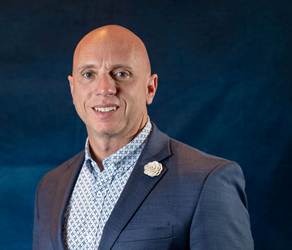
Dr. Dustin Wygant is Professor of Psychology and Executive Director of Integrated Behavioral Health at Eastern Kentucky University, where he also directs the APA-accredited Clinical Psychology doctoral program. A board-certified assessment psychologist, his research focuses on forensic mental health assessment, psychopathy, and the use of psychological testing, particularly the MMPI instruments. He co-authored Forensic Mental Health Assessment with the MMPI-3 and maintains an independent forensic practice specializing in competency, criminal responsibility, and violence risk assessment. He is a Fellow of several professional psychology associations and a commissioned officer in the U.S. Army Reserve.
Visit EKU, and find out more about Dustin’s research here. Connect on LinkedIn and email him at: dbwygant@gmail.com
In this podcast:
- What does the MMPI-3 contribute to a forensic evaluation?
- MMPI-3 limitations in a forensic context
- What to do in a case of under- or over-reporting
- Final advice for listeners
What does the MMPI-3 contribute to a forensic evaluation?
Across its lifespan, the test has been a rich source of formulating clinical impressions about the people who complete it, and those clinical impressions are often very useful.
Dr. Dustin Wygant
They are often useful for:
- Formulating diagnostic impressions
- Understanding how to better approach the individual
- How to tailor your interview approach to the individual
To the degree that clinical impressions address forensic issues, I think the test does a good job. It doesn’t cover everything; it has its limitations … But in terms of coverage, it does a great job of measuring internalizing symptoms, trauma, depression, anxiety.
Dr. Dustin Wygant
The MMPI-3 has been around for years, which affords it a stronger reputation than some other forensic evaluation tests.
MMPI-3 limitations in a forensic context
As with any forensic evaluation test, the MMPI-3 has pros and cons. For example, with the MMPI-3, you need to consider:
- The coverage of the test
- Whether the individual is on the autism spectrum, as the test was not designed initially with neurodivergent presentations in mind
The MMPI was not developed as a forensic instrument. It’s a clinical instrument, and as such, it’s always open to debate and question, and this could happen on cross-examination … And yet it’s emerged as having a lot of use in the forensic setting.
Dr. Dustin Wygant
Regardless of the test you use, clinical or forensic, it comes down to understanding what it actually covers and connecting those variables to what you are trying to accomplish in the forensic assessment.
What to do in a case of under- or over-reporting
The MMPI-3 considers an individual’s transparency and forthrightness.
Additionally, the validity scales do three things:
1 – Did the individual sufficiently attend to the contents of the question?
2 – Measures overreporting
3 – Measures underreporting
Validity scales don’t address the issue of competency or sanity or overall fitness … But what they do is provide some insight into how this person approached the test, and I think we can make inferences about how they approach the test with other assessments … It provides insights into how the individual approached it.
Dr. Dustin Wygant
Final advice for listeners
How we use these tests continues to be culturally informed and adapted to what services they need to help us conduct with clients and individuals.
Overall, they help us gain insights about the people we’re working with and inform what we do going forward in the assessment and evaluation process.
If anything, these [results] are hypotheses. The test gives you hypotheses that you need to explore, not the final conclusions.
Dr. Dustin Wygant
Resources and Useful Links:
BOOK | Dr. Dustin Wygant – Forensic Mental Health Assessment with the MMPI-3
Visit EKU, and find out more about Dustin’s research here. Connect on LinkedIn and email him at: dbwygant@gmail.com
Minnesota Multiphasic Personality Inventory-3
62ND ANNUAL MMPI/MPQ RESEARCH SYMPOSIUM
Journal of Personality Assessment
Forensic Mental Health Assessment With the MMPI-3
Get access to Dr. Mangnall’s course
Practice of the Practice Network
Connect with Me:
Say hello on: Instagram, Psychology Today, and LinkedIn.
About The Forensic Psychologist Podcast
The Forensic Psychology Podcast explores the intersection of psychology, law, and private practice through practical conversations grounded in real-world forensic work. Each episode tackles the questions and challenges that psychologists and attorneys actually encounter, from conducting defensible evaluations and writing useful reports to handling conflicting information, preparing for testimony, and staying within the boundaries of the psycholegal question.
Beyond the clinical and legal side of forensic psychology, the podcast also explores what it takes to build and grow a successful forensic practice. Whether you’re an experienced forensic psychologist, a therapist who occasionally works with the legal system, an attorney who relies on psychological evaluations, or simply interested in the field, the Forensic Psychology Podcast offers practical insights, evidence-based frameworks, and lessons from the realities of doing this work.