What experience and foundational clinical knowledge do you need before taking on forensic cases? How can you turn complex, sometimes conflicting evidence into a clear and defensible forensic narrative? What essential skills distinguish a competent forensic psychologist from a true expert?
In this podcast episode, Dr. Casey Mangnall discusses becoming a forensic expert and how we train forensic psychologists with Dr. Kirk Heilbrun.
Meet Dr. Kirk Heilbrun
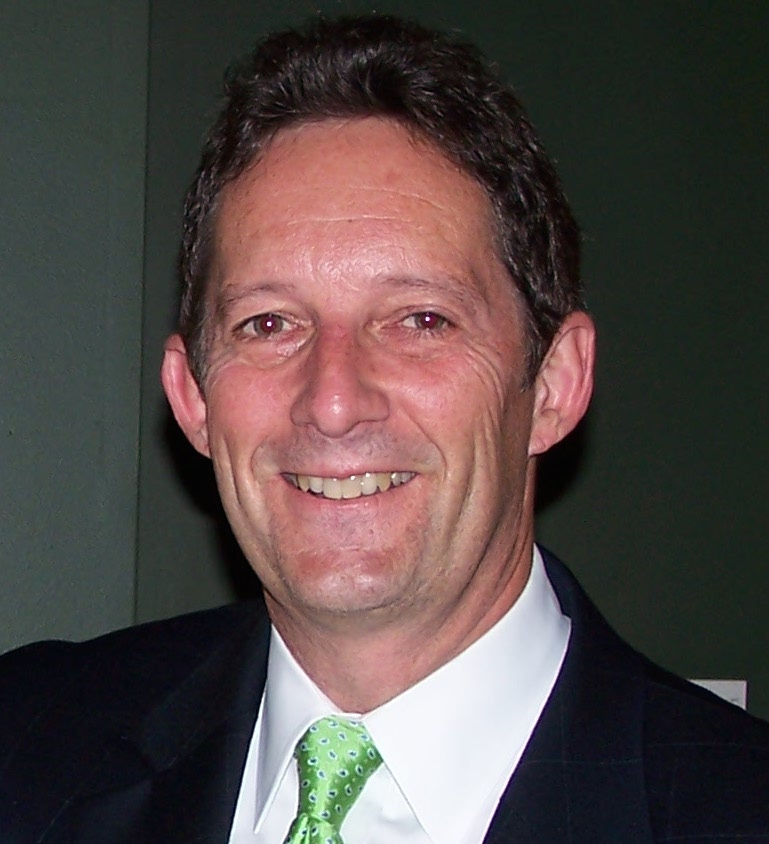
Kirk Heilbrun is Professor of Psychological and Brain Sciences at Drexel University, where he previously served as department head. A board-certified clinical and forensic psychologist, he has extensive experience in forensic assessment, having conducted or supervised approximately 3,300 evaluations and testified as an expert witness around 330 times. He directs Drexel’s Forensic Assessment Clinic, which provides evaluations across a range of legal matters, and the Reentry Project, offering pro bono assessment and treatment services to justice-involved individuals. He is also a Fellow of the American Psychological Association in six divisions.
Visit Drexel University, connect with Dr Kirk on LinkedIn, and see his research.
In this podcast:
- Where to get the right experience
- Transitioning clinical expertise to forensic work
- Core skills to master across forensic evaluations
- Putting evidence into a cohesive narrative
- Potential changes in the field of forensic psychology
Where to get the right experience
Sometimes, people try to start practicing forensic psychology and expect to have high-profile cases right off the bat.
However, it is important to earn your stripes and gain the relevant and necessary experience doing smaller cases – which are equally as important – before building up to anything more high-profile.
One of the things that people really ought to do is get real familiar on a practice level, on a personal level, on a scientific level, with the population that they want to work with.
Dr. Kirk Heilbrun
Learn everything you can about your ideal client base or population so that when it comes time to apply your knowledge in that area, you can, and that’s only possible with experience and applied learning.
Learn everything you can about them, so when it comes time to apply that knowledge in that area to legal questions, which is really what forensic psychology is about, then you have a big head start because you are already familiar with the theory and the practice.
Dr. Kirk Heilbrun
Transitioning clinical expertise to forensic work
Dr. Heilbrun highlights two errors that he’s seen people accidentally make when transitioning their clinical expertise into forensic psychology:
1 – Clinicians don’t properly combine clinical expertise with their forensic work.
If you don’t take [the clinical expertise in forensic psychology] seriously, then I think the difficulty is you’re setting yourself up for experiences and questions that might come up that you’re not going to know how to address.
Dr. Kirk Heilbrun
2 – Not taking report writing seriously. Report writing is essential. It stands alone and should speak for itself, because sometimes you are not asked to come and testify. Therefore, your report must be able to stand without you there to explain it.
Sometimes, you will be asked to testify, and then again you need to base your testimony on the report you wrote.
If you don’t know how to write a good forensic report, then almost by definition, your testimony is going to be flawed, it’s going to be weaker, or more problematic than it would have been otherwise. So, the skill of writing a good forensic report is a really important one – and it is a very challenging one.
Dr. Kirk Heilbrun
Core skills to master across forensic evaluations
Some of these core skills that have to do with doing a good job at forensic assessments and evaluations have to do with:
- Interviewing
- Taking notes and documenting your findings
- Abstracting from your reviewed documents
- Reducing thousands of pages of information into a handful
- Making well-informed spot-judgements
- Recognize when someone is trying their best to give you accurate information and somebody who might be exaggerating or minimizing
- Relating to individuals and empathizing with the situation
- Remember to get collateral interviews
The investment of time compared to the potential returns is really no worry!
Dr. Kirk Heilbrun
Putting evidence into a cohesive narrative
What if there is disagreement between your three sources of information?
1 – Evaluate for relevance: identify the relevant question and look through all records in a way that allows you to bring information back to answering your forensic question.
2 – How would you organize the data: consider drawing up a timeline, with sources of information for each point in the timeline.
Anytime you cite something – a finding or a test result that’s relevant – make a note of that; make a note of where you got it: what record, what page, where on the page … So when you are citing this in court, you don’t need to go back to the original record, and you can draw on your matrix.
Dr. Kirk Heilbrun
3 – Highlight mixed evidence while highlighting the route that you choose to take, supported by the majority of the evidence, likely two out of the three sources, for example.
Potential changes in the field of forensic psychology
- Incorporating more advances in research, whether scientific, psychological, technological, or otherwise.
- Be culturally, racially, and ethnically informed.
- Continue to use specialized and standardized measures where applicable and appropriate.
- Finding ways to use AI that does not guide people’s judgements but assist people in reducing workloads.
Resources and Useful Links:
Visit Drexel University, connect with Dr Kirk on LinkedIn, and see his research.
Get access to Dr. Mangnall’s course
Practice of the Practice Network
Connect with Me:
Say hello on: Instagram, Psychology Today, and LinkedIn.
About The Forensic Psychologist Podcast
The Forensic Psychology Podcast explores the intersection of psychology, law, and private practice through practical conversations grounded in real-world forensic work. Each episode tackles the questions and challenges that psychologists and attorneys actually encounter, from conducting defensible evaluations and writing useful reports to handling conflicting information, preparing for testimony, and staying within the boundaries of the psycholegal question.
Beyond the clinical and legal side of forensic psychology, the podcast also explores what it takes to build and grow a successful forensic practice. Whether you’re an experienced forensic psychologist, a therapist who occasionally works with the legal system, an attorney who relies on psychological evaluations, or simply interested in the field, the Forensic Psychology Podcast offers practical insights, evidence-based frameworks, and lessons from the realities of doing this work.