Do you want to explore the intersection between psychology and the law? Welcome to the Forensic Psychology Podcast! Each episode will explore the science, practice, and business of forensic psychology through practical conversations you won’t find in your graduate training.
In this podcast episode, Dr. Casey Mangnall welcomes you to class: Forensic Psychology 601.
Meet Dr. Casey Mangnall
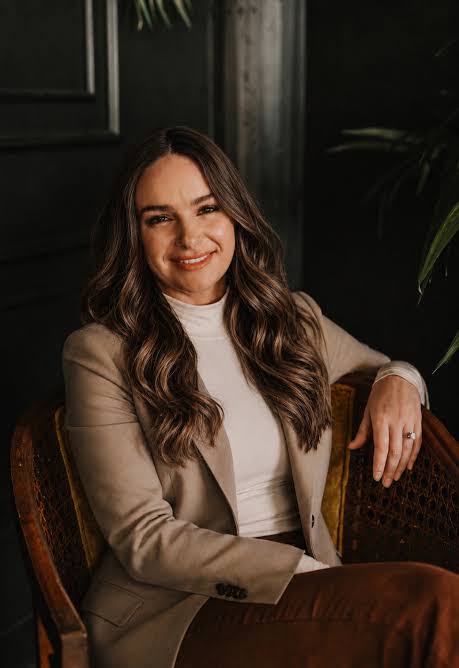
Dr. Casey Mangnall is a licensed psychologist, forensic psychologist, and founder of Utah Center for Psychological Services. She specializes in comprehensive psychological and forensic assessments, including evaluations for ADHD, autism, trauma, learning difficulties, and complex diagnostic questions.
A graduate of the University of Denver, Casey combines rigorous, evidence-based assessment with a strengths-based and human approach. She is particularly interested in using psychological evaluation not simply to assign a diagnosis, but to help people understand their experiences and find a clearer path forward.
Visit Utah Center for Psychological Services and connect on Instagram, Psychology Today, and LinkedIn.
In this podcast:
- Filling the need for forensic psychology discussions
- What does “forensic psychology” mean?
- How forensic work diverges from clinical work
- What makes a good forensic psychologist?
- What’s to come in future episodes
Filling the need for forensic psychology discussions
I have been thinking about starting this podcast for years! It’s something I would’ve appreciated having access to when I was starting my journey as a testing and forensic psychologist.
There is so much information out there. There is no shortage of great information in books, articles, and courses. However, I didn’t find many mediums that brought it all together under discussion between fellow forensic psychologists.
That is what I felt was missing, and that’s what I endeavour to create with this podcast.
There are fantastic forensic conferences out there, excellent textbooks … But there are almost no places where experienced forensic psychologists can just simply sit down to talk about how they actually practice. So, the goal of this podcast is to create a casual but rigorous learning environment that makes forensics accessible and interesting.
Dr. Casey Mangnall
What does “forensic psychology” mean?
Forensic psychology is, for the most part, quite “boring” compared to the Hollywood stereotypes! While those jobs that work with the FBI and serial killers exist, they are very niche. Most forensic psychology is quite similar to usual therapy admin work.
For example, I spend most of my days reviewing so many records:
- Medical records
- School records
- Employment records
- Prior evaluations
- Depositions
- Interview transcriptions
And then I spend a decent amount of time speaking with collateral sources, reviewing scientific literature, and then eventually writing the actual report.
On any given day, you’ll see me hunched over my computer, not moving for hours at a time! So if you’re imagining dramatic interrogations and high-stakes courtroom drama, that’s certainly not what my life looks like.
Dr. Casey Mangnall
So, what does forensic psychology actually mean?
The American Psychological Association defines it as, “Professional practice by any psychologist working within a subdiscipline of psychology … and applying the scientific or technical or specialized knowledge of psychology to the law to assist in addressing legal, contractual, and/ or administrative matters.”
Importantly, practicing within the judicial or legislative framework does not inherently make something a forensic practice, such as doing therapy with someone who was court-ordered to do therapy is not inherently forensic by nature.
Dr. Casey Mangnall
How forensic work diverges from clinical work
With forensic evaluations or work in general, we often start with a question about something illegal: someone in the court or legislative system wants input from us, and they’re going to apply that information to a legal decision, not a clinical one.
It could be along the lines of answering: is this person competent to stand trial?
We’re being asked to help answer a legal question by applying what we know about psychology, what we know about mental illness, cognitive functioning, behavior, emotions … We’re using all of that to help answer this legal question so that the court can answer [its] question.
Dr. Casey Mangnall
What makes a good forensic psychologist?
I would say that becoming an excellent forensic psychologist begins with becoming an excellent clinical psychologist.
Think about it: before you can answer a forensic question, you have to be able to recognize psychopathology. You have to understand assessment. You have to conduct excellent interviews. You have to integrate conflicting information, understand diagnoses and symptoms, and understand what typical functioning looks like and what abnormal functioning looks like. Those are important, fundamental clinical skills.
Dr. Casey Mangnall
I highly recommend you build a strong foundation in your fundamental clinical skills before you start specializing in forensics, because while legal terminology can be learned and case law can be studied, it all rests on your clinical expertise.
Secondly, understand which pieces of the law you need to know well to do your work as a forensic practitioner.
What’s to come in future episodes
In future episodes, we’ll go over some of the mindset pieces that we need to have to do this work well.
Additionally, we’ll talk through doing forensic assessments and how they differ from clinical ones. We’ll also discuss what makes forensic work difficult and different from clinical, and how to overcome those challenges.
We’ll talk through testifying, writing for court, and even running a forensic psychology business. As you can tell, there’s so much that we’ll be covering!
Resources and Useful Links:
Visit Utah Center for Psychological Services
Practice of the Practice Network
Connect with Me:
Say hello on: Instagram, Psychology Today, and LinkedIn.
About The Forensic Psychologist Podcast
The Forensic Psychology Podcast explores the intersection of psychology, law, and private practice through practical conversations grounded in real-world forensic work. Each episode tackles the questions and challenges that psychologists and attorneys actually encounter, from conducting defensible evaluations and writing useful reports to handling conflicting information, preparing for testimony, and staying within the boundaries of the psycholegal question.
Beyond the clinical and legal side of forensic psychology, the podcast also explores what it takes to build and grow a successful forensic practice. Whether you’re an experienced forensic psychologist, a therapist who occasionally works with the legal system, an attorney who relies on psychological evaluations, or simply interested in the field, the Forensic Psychology Podcast offers practical insights, evidence-based frameworks, and lessons from the realities of doing this work.