
How can forensic psychologists distinguish cultural mistrust from clinical paranoia? How should evaluators account for experiences of racism, discrimination, and institutional mistreatment when conducting forensic assessments? And how can psychological science inform more effective prevention strategies and criminal justice policies?
In this episode of the Forensic Psychologist Podcast, Dr. Casey Mangnall speaks with Dr. Apryl Alexander about cultural mistrust in forensice evaluations.
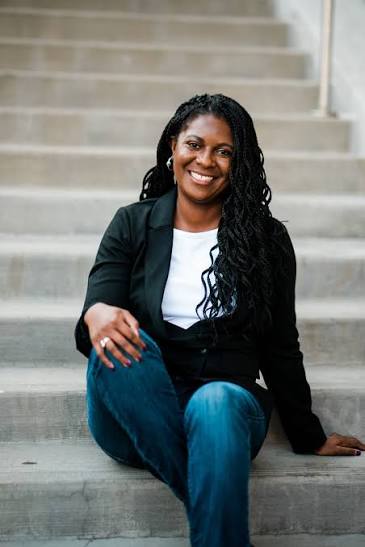
Dr. Apryl Alexander is a clinical psychologist, nationally recognized researcher, professor, and advocate whose work focuses on trauma-informed care, forensic psychology, violence prevention, and social justice. She is the Metrolina Distinguished Professor in the Department of Health Management and Policy at the University of North Carolina at Charlotte, where she also serves as Director of the Violence Prevention Center.
Dr. Alexander earned her Doctor of Psychology (Psy.D.) in Clinical Psychology from the Florida Institute of Technology, with concentrations in forensic psychology and child and family therapy. Her research explores the intersections of trauma, mental health, public policy, cultural humility, and violence prevention.
Dr. Apryl Alexander’s website and connect on Instagram and X. Find out more about UNC’s Violence Prevention Center.
Dr. Alexander’s path into forensic psychology was not entirely conventional. Initially an animal science major with plans to become a veterinarian, she discovered her interest in psychology while volunteering at a domestic violence center. Working with survivors and their children exposed her to the realities of interpersonal violence and the ways individuals navigate the legal system.
This experience ultimately led her toward clinical and forensic psychology, where she developed expertise in psychological assessment, competency evaluations, criminal responsibility, and violence risk assessment.
Her work with justice-involved adolescents at Auburn University prompted another shift in perspective. Rather than focusing exclusively on treatment and preventing reoffending, she began questioning why young people were entering the criminal legal system in the first place.
My question has always been: how can we prevent people from coming into the legal system in the first place?
Dr. Apryl Alexander
This became a central theme in her career, leading her toward violence prevention, evidence-informed policy, and public health.
Cultural mistrust describes how individuals may develop distrust, suspiciousness, or heightened awareness of their surroundings in response to repeated experiences of racism, discrimination, and institutional mistreatment.
While these responses might resemble clinical paranoia, they can be grounded in genuine lived experiences.
These individuals with marginalized identities have the evidence. And so are we asking them about it?
Dr. Apryl Alexander
Dr. Alexander emphasizes the importance of understanding the context behind an individual’s beliefs rather than automatically interpreting suspiciousness or distrust as symptoms of psychopathology.
Forensic evaluators should consider:
The challenge is to neither accept every statement as fact nor dismiss an individual’s experiences as psychopathology without further investigation.
Dr. Alexander discusses research she co-authored examining how the MMPI might capture culturally grounded mistrust, particularly when assessing paranoia. Given the historical overdiagnosis of psychotic spectrum disorders among Black and Latino populations, the research sought to encourage more careful differential diagnosis.
Working alongside other psychologists, the research team identified a subset of MMPI items that could prompt evaluators to explore cultural mistrust more thoroughly.
For example, an individual endorsing concerns about being watched or followed might be describing genuine experiences of racial profiling or discrimination rather than an unsupported paranoid belief.
Dr. Alexander recommends approaching these situations with curiosity rather than asking individuals to prove whether their experiences actually happened.
“You don’t want to approach it from a place of, ‘Did this really happen to you?'”
Dr. Apryl Alexander
These considerations also extend to forensic report writing. Rather than simply describing someone as guarded, suspicious, or noncompliant, evaluators should provide context explaining the experiences and perceptions that may have contributed to those behaviours.
She also encourages clinicians to consider broader environmental influences, including:
The conversation also explores how forensic psychologists can develop greater cultural competence and move beyond the limitations of traditional graduate training.
Dr. Alexander argues that cultural considerations should not be confined to one or two dedicated courses. Instead, they should be integrated throughout psychological education, assessment, treatment, and research.
She encourages psychologists to broaden their knowledge beyond their immediate discipline by engaging with subjects such as history, philosophy, public policy, and public health.
“It’s okay to say, I don’t know, or we just don’t have the research on that.”
Dr. Apryl Alexander
She also highlights the importance of recognizing the evaluator’s own positionality. Clinicians bring their own histories, identities, and experiences with institutions into the assessment room. Their professional authority, perceived institutional affiliation, and visible identity characteristics can all influence the relationship with an examinee.
Ultimately, Dr. Alexander calls for continued critical examination of forensic psychology’s research, training, and practices, particularly where gaps in representation and culturally informed evidence remain.
Dr. Apryl Alexander’s website and connect on Instagram and X. See also UNC’s Violence Prevention Center
Trauma Symptoms of Discrimination Scale
UnConn Racial/Ethnic Stress & Trauma Survey
Culturally-Informed Adverse Childhood Experiences
Youth Racism-Based Traumatic Stress Symptom Scale
Get access to Dr. Mangnall’s course
Practice of the Practice Network
Say hello on: Instagram, Psychology Today, and LinkedIn.
The Forensic Psychology Podcast explores the intersection of psychology, law, and private practice through practical conversations grounded in real-world forensic work. Each episode tackles the questions and challenges that psychologists and attorneys actually encounter, from conducting defensible evaluations and writing useful reports to handling conflicting information, preparing for testimony, and staying within the boundaries of the psycholegal question.
Beyond the clinical and legal side of forensic psychology, the podcast also explores what it takes to build and grow a successful forensic practice. Whether you’re an experienced forensic psychologist, a therapist who occasionally works with the legal system, an attorney who relies on psychological evaluations, or simply interested in the field, the Forensic Psychology Podcast offers practical insights, evidence-based frameworks, and lessons from the realities of doing this work.